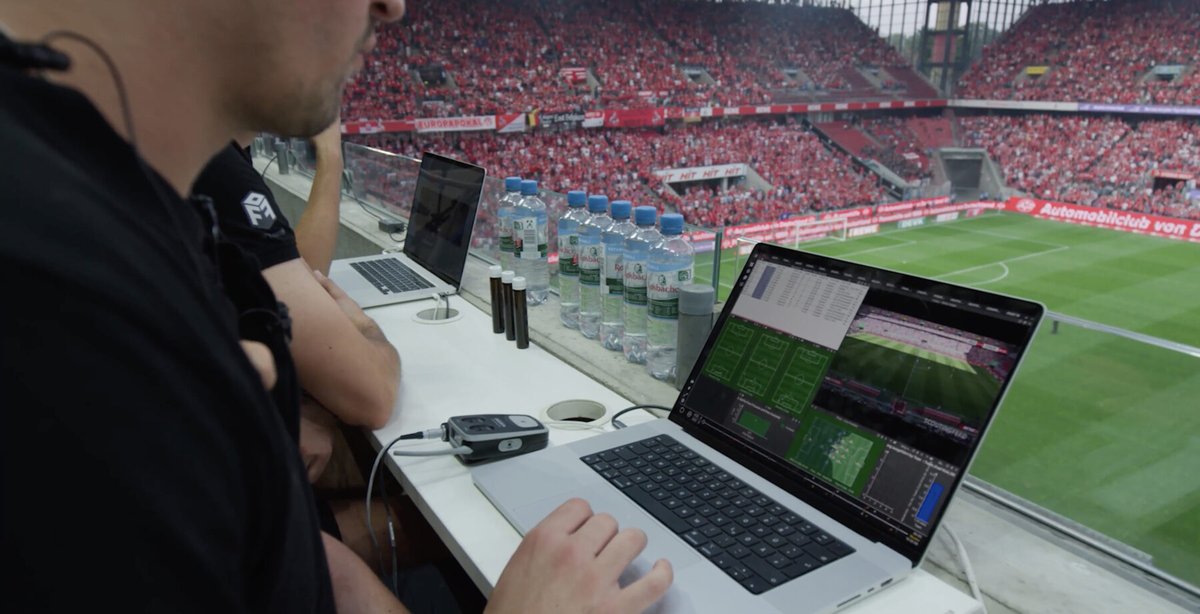
Soccer isn't just a game of skill and athletic prowess; it's a grand chess match played on grass, where every pass, every run, every defensive block is part of a meticulously crafted strategy. At the heart of this tactical ballet lies Key Player Showdowns & Tactical Analysis, the lens through which coaches, players, and savvy fans alike dissect the beautiful game to gain a decisive edge. Understanding the tactical battles and individual duels that unfold on the pitch isn't just for the pros; it's how you unlock a deeper appreciation for the sport, transforming casual viewing into an insightful, exhilarating experience.
At a Glance: What You'll Learn About Modern Soccer Tactics
- Why Tactics Matter: How systematic analysis drives success, offering a competitive edge and identifying crucial vulnerabilities.
- The Game's Four Pillars: Breaking down the attacking, defensive, and transition phases that dictate a match's rhythm.
- Formations Are Fluid: Moving beyond static numbers to understand how formations adapt and evolve in real-time.
- The Unsung Heroes: Recognizing the pivotal roles and responsibilities of individual players within a tactical framework.
- Defensive Masterclasses: Exploring pressing systems, from aggressive high blocks to resilient low blocks.
- Building from the Back: Unpacking how teams construct attacks, whether through patient short passing or direct assaults.
- Set-Piece Secrets: Why dead-ball situations are vital and how pre-planned routines can unlock defenses.
- Coaching Philosophies: A look at the minds of tactical giants like Guardiola, Mourinho, and Klopp, and their enduring impact.
- Applying the Analysis: Five practical strategies to dissect games like a professional scout.
- Tools of the Trade: The technology powering modern tactical insights, from video analysis to wearable tech.
- Sharpen Your Eye: Actionable steps to elevate your own tactical understanding and watch games with newfound insight.
Beyond the Ball: The Strategic Core of Modern Soccer
Forget simply watching the ball. Modern soccer is a complex ecosystem where every movement, every decision, every player interaction is influenced by an overarching game plan. Tactical analysis is the systematic study of this intricate dance—a deep dive into a team's setup, movement patterns, and overarching strategies, both when they have the ball and when they don't.
Why bother with such scrutiny? Because it's how teams gain a competitive edge. It's how they assess opposition strengths and weaknesses, refine their own strategies, identify areas for improvement, and, crucially, exploit vulnerabilities. This isn't guesswork; it's a rigorous process built on in-depth examination of video footage, player statistics, and advanced analytics, all designed to reveal those subtle patterns and tendencies that separate victory from defeat.
For the keen observer, understanding these layers transforms soccer from a chaotic sprint into a predictable, albeit dynamic, narrative. You start seeing the "why" behind every action, appreciating the genius of a coach's design and a player's execution.
The Game's Rhythms: Mastering the Four Key Phases of a Match
A soccer match isn't a continuous, homogenous event. It's a series of distinct, rapidly shifting phases, each demanding a different tactical approach. Grasping these four phases is fundamental to understanding any team's strategy:
- Attacking Phase: This is when a team has possession and is actively trying to score. It encompasses everything from the initial build-up play deep in their own half to creating chances in the opponent's penalty area. Are they patient, circulating the ball? Or are they direct, looking to bypass the midfield quickly? The attacking phase reveals a team's creative philosophy.
- Defensive Phase: The mirror image of the attacking phase, this is how a team organizes itself without the ball to prevent the opposition from scoring. It's about shape, compactness, pressing triggers, and denying space. A well-drilled defensive unit can absorb immense pressure and frustrate even the most potent attacks.
- Transition to Attack: Perhaps the most thrilling and often decisive phase. This occurs in the fleeting moments after a team wins back possession. How quickly and effectively can they switch from a defensive mindset to an offensive one, exploiting the disorganization of the opponent who has just lost the ball? Think rapid counter-attacks.
- Transition to Defense: Equally crucial, this phase happens immediately after a team loses possession. How do they react? Do they immediately press to win the ball back (gegenpressing), or do they drop back quickly into a defensive shape to prevent the opposition's counter? Slow transitions here can be brutally punished.
Observing these rapid shifts is a hallmark of sophisticated tactical analysis. It highlights how adaptable and well-drilled a team truly is under pressure.
Formations Are Fluid: Beyond the Numbers on the Board
When you hear "4-4-2" or "4-3-3," you're getting a snapshot, an initial blueprint. But in the dynamism of modern soccer, formations are rarely static. They morph and adapt depending on the phase of play, the opponent, and the game state.
- 4-4-2: A classic, balanced setup with two strikers and a flat midfield four. It offers defensive solidity and two clear attacking outlets.
- 4-3-3: Popular for attacking width and midfield control, often deploying wingers high up the pitch and a deep-lying playmaker.
- 3-5-2: Utilized for dominance in midfield with three central players and defensive solidity with three center-backs, often relying on wing-backs for width.
- 4-2-3-1: Offers immense flexibility with a double pivot in midfield (two defensive midfielders) and creative attacking midfielders supporting a lone striker.
The key insight? A team might defend in a compact 4-4-2 but then, upon winning possession, morph into a 4-3-3 as full-backs push high and wingers stretch the play. Recognizing this fluidity is where the real analytical fun begins. It's about seeing the intent behind the movement, not just the starting positions.
Beyond the System: Individual Roles and Tactical Responsibilities
While formations provide the structure, it's the players who bring it to life, each with specific roles and tactical responsibilities that contribute to the collective strategy.
- Goalkeeper: No longer just a shot-stopper, the modern goalkeeper is often the first attacker, initiating play from the back. The "sweeper-keeper" role, sweeping up behind the defense and distributing with precision, is now commonplace.
- Center-Backs: These are the defensive generals, organizing the backline, winning aerial duels, and initiating play from deep, often stepping into midfield with the ball.
- Full-Backs/Wing-Backs: Perhaps the most demanding role in modern soccer, they provide width and support in attack, overlapping wingers to deliver crosses, and then tirelessly track back to defend their flank.
- Midfielders: The engine room of the team. They control tempo, link defense and attack, win crucial battles, and break opposition lines with incisive passes or driving runs. Different types exist: holding midfielders, box-to-box midfielders, and attacking midfielders.
- Forwards: Their primary task is to create and convert scoring opportunities. But increasingly, they're also the first line of defense, pressing opposition defenders and exploiting spaces left behind.
Assessing these individual roles helps you identify which players are truly crucial to a team's tactics. Who dictates play? Who is the primary ball-winner? Who makes the critical runs? It's often not just the goal scorers who make the biggest tactical impact.
The Defensive Masterclass: Pressing Systems Explained
A team's defensive strategy is a cornerstone of its overall tactical identity. How they choose to defend without the ball tells you a lot about their philosophy.
- High Press: An aggressive strategy where players push high into the opponent’s half, often into their penalty box, immediately after losing possession or when the opponent tries to build from the back. The goal is to force mistakes in dangerous areas, leading to quick turnovers and scoring chances. This requires immense fitness and coordination.
- Mid-Block: A more balanced approach. Players maintain a compact shape in the middle third of the pitch, allowing the opponent to have possession in their own half but denying them easy routes into the attacking third. The team waits for specific triggers (e.g., a poor pass, a player turning his back) before engaging the press.
- Low Block: A deep defensive positioning, often with all players behind the ball in their own defensive third, even within their penalty area. The aim is to absorb pressure, deny space in central areas, and force the opponent wide, hoping to win the ball and launch quick counter-attacks. This requires discipline and resilience.
When watching a match, analyze how compact a team is in each phase and how effectively they close down passing lanes. Are they leaving gaps between their lines? Are their wide players tracking back diligently? These observations unlock the secrets of their defensive discipline, much like understanding the ebb and flow discussed in Your Inter Miami Tigres hub can illuminate specific team matchups.
Building the Attack: How Teams Create Chances
Just as defenses vary, so too do offensive build-up methods. A team's approach to creating scoring opportunities is a direct reflection of its tactical philosophy.
- Short Passing (Possession-Based): This method prioritizes keeping the ball, patient build-up, and circulating passes to draw out defenders and create openings. It emphasizes control, technique, and precise movement off the ball. Think of a team trying to patiently weave through an opponent's defense.
- Direct Play: In contrast, direct play uses quick, often long passes to bypass the midfield entirely, aiming to get the ball to forwards or wingers in advanced positions as rapidly as possible. This approach often relies on strong target men, fast attackers, and winning second balls.
- Wide Play (Flank Overload): This strategy heavily utilizes the flanks to stretch the opposition’s defense. Full-backs and wingers combine to create numerical superiority out wide, delivering crosses into the box for central attackers. It can be particularly effective against compact central defenses.
Look for the key players who dictate play in the build-up—the deep-lying playmaker, the wide creator, or the target man. Identifying frequent passing lanes and common attacking patterns will reveal a team's preferred route to goal.
The Hidden Game-Changers: The Power of Set Pieces
Soccer isn't just about open play; some of the most pivotal moments, and a significant percentage of goals, come from set pieces. Corners, free-kicks, and throw-ins are not random events; they are pre-planned routines designed to exploit weaknesses. In fact, approximately 23% of goals scored in professional soccer originate from set pieces. This makes them crucial tactical battlegrounds.
- Corners and Free Kicks: Teams use a variety of strategies:
- In-swingers vs. Out-swingers: The direction of the ball dictates how defenders react and how attackers run onto it.
- Near-post flick-ons: A common routine to create chaos and score.
- Clever blocks and screens: Players creating space for teammates to attack the ball.
- Short corners/free kicks: Drawing defenders out to create space elsewhere or deliver a different angle of cross.
- Direct shots: For dangerous free-kick takers.
- Goal Kicks: Even goal kicks are highly tactical. Do teams:
- Build short: With defensive midfielders dropping deep to offer options, baiting the press before playing over it?
- Go long: Aiming to win the first header and then scramble for the second ball?
- Play to specific areas: To exploit a mismatch or a tired opponent?
Studying player positioning, movement patterns (e.g., specific runs into the box), and delivery techniques for set pieces can reveal a team’s tactical ingenuity and an opponent's vulnerabilities.
Masterminds of the Modern Game: Iconic Tactical Philosophies
The evolution of soccer tactics is a story of innovative minds. Understanding some influential philosophies provides a rich context for today's game:
- Pep Guardiola (Positional Play / Juego de Posición): Emphasizes players maintaining specific zones on the pitch to create passing triangles and numerical superiority in key areas. His teams overload one side of the pitch to draw the opponent, then quickly switch play to exploit space on the opposite flank. This controlled possession allows for constant offensive threat while minimizing defensive exposure. His influence on modern football is immense, shaping how many top teams approach the game.
- José Mourinho (Defensive Organization & Counter-attacking): Known for prioritizing disciplined defensive structures and a pragmatic approach. His teams are often characterized by a deep, compact defensive block, with midfielders dropping deep to support the backline and deny space. They then look to strike quickly and decisively on the counter-attack, often with devastating effect. His philosophy is about control, resilience, and clinical finishing.
- Jürgen Klopp (Gegenpressing / Counter-pressing): Klopp's philosophy is built on high-intensity. When his teams lose possession, players immediately press the opposition to win the ball back quickly, ideally in dangerous areas of the pitch. This "gegenpressing" aims to prevent the opponent from launching a counter-attack and instead creates immediate scoring opportunities for his own team. It's a relentless, energetic style that requires incredible fitness.
These modern philosophies stand on the shoulders of giants: Herbert Chapman's W-M formation, Helenio Herrera's Catenaccio, Johan Cruyff's Total Football, and Arrigo Sacchi's revolutionary 4-4-2 all represent critical junctures in tactical evolution, each contributing layers to the game we see today.
From Theory to Victory: How Tactics Shape Outcomes
Ultimately, tactical analysis isn't just an academic exercise; it's the pathway to winning. A well-executed game plan can neutralize an opponent’s strengths and ruthlessly exploit their weaknesses.
- Midfield Control: Often dictates the flow of the entire game. A team that dominates the midfield can control possession, dictate tempo, and launch attacks at will, while starving the opposition of service.
- Exploiting Wide Areas: By stretching play and delivering crosses, teams can disrupt even the most compact defenses, creating numerical advantages on the flanks and chances in the box.
- Strong Defensive Organization: Makes teams incredibly difficult to break down. A resilient, disciplined defense can absorb waves of attacks, frustrate opponents, and provide the platform for smash-and-grab victories.
Understanding these dynamics allows you to predict where the tactical battle will be won or lost, anticipating shifts in momentum and appreciating the strategic depth of every single match.
Your Game Plan: Applying Tactical Analysis Like a Pro
So, how do professional analysts and coaches actually put these concepts into practice? Here are five key strategies:
- Focus on Your Strengths First: Before even looking at the opponent, a smart team identifies its own individual and collective strengths. This involves rigorous video analysis and data to create visual teaching moments for players, aligning their inherent abilities with the team's overarching playing style and principles. You need to know what you do best before you can try to counter anyone else.
- Analyze Opponents' Weaknesses and Tendencies: This is where the detective work comes in. Study footage of past matches (often using platforms like Wyscout) to understand not just opponents' tactics but also their individual player tendencies. Does a certain full-back always get forward, leaving space behind? Does a center-back struggle against pace? These insights inform your game plan, allowing for tailored adaptations in formation, personnel, or specific pressing triggers.
- Dissect and Optimize Set Piece Strategies: Don't leave set pieces to chance. They are pivotal moments. Analyze opponent weaknesses on corners or free-kicks, and then tailor your own offensive and defensive strategies accordingly. This might involve specific player selections (e.g., bringing in a taller player for defensive headers) or rehearsing intricate routines to catch the opposition off guard.
- Conduct Player-Specific Tactical Reviews: Generic team talks aren't enough. Use video and data to provide individualized feedback to players. Highlight their strengths, demonstrate successful tactical execution, and clearly identify areas for improvement. This fosters player development, builds trust, and ensures buy-in for the collective tactical plan. Showing a player exactly what worked (or didn't) on screen is far more impactful than just telling them.
- Test Tactical Scenarios in Training: Training isn't just about fitness; it's a lab for tactical experimentation. Optimize limited training time by using video and data (like with portable cameras such as Hudl Focus Flex) to automate tasks and highlight insights. Run drills that simulate specific match scenarios—practicing defending a low block, executing a high press, or transitioning quickly. Immediate review with players using the video footage helps embed the tactical learning efficiently.
The Modern Analyst's Toolkit: Technology Powering Insights
The tactical revolution wouldn't be possible without cutting-edge technology. Coaches and analysts today have an arsenal of tools at their disposal:
- Video Analysis Software: Platforms like Hudl and Wyscout are indispensable. They allow coaches to meticulously break down game footage, tag specific events (passes, tackles, shots), highlight key moments, and create detailed tactical reports. Solutions like Hudl Assist even provide professional analysts to do the detailed breakdowns, significantly reducing manual effort.
- GPS and Wearable Technology: Systems from companies like Catapult and WIMU track every player's movement on the pitch. They provide data on distances covered, sprint speeds, heat maps, and positioning, offering insights into physical performance, work rate, and tactical discipline (e.g., if a player is holding their assigned position). WIMU integrates with Sportscode for enhanced context and visualization, marrying physical data with tactical actions.
- Data Companies: Giants like Opta and StatsBomb collect an astonishing amount of detailed data on every action in a match—every pass, shot, defensive action, and more. Analysts use this data to identify patterns, trends, and statistical anomalies that might not be immediately visible to the naked eye.
- Visualization Tools: Software like TacticalPad helps coaches visually plan formations, movements, and scenarios. It's a virtual whiteboard that allows for clear communication of complex tactical ideas during game preparation and post-match analysis.
- Portable Football Cameras: Technologies like Hudl's Focus Flex camera provide high-quality, wide-angle video of matches and training sessions from a tactical viewpoint, with automatic uploads for immediate feedback. This allows for rapid analysis and adjustments, bringing professional-level tactical review to every session.
Sharpen Your Eye: Actionable Steps to Enhance Your Tactical Acumen
Ready to start seeing the game through a new lens? Here's how you can elevate your own tactical understanding:
- Watch and Analyze Matches Actively: Don't just follow the ball. Pick a team or even just one player and focus on their movements. Watch how team shapes change in and out of possession. Look for recurring patterns in their build-up or defensive organization.
- Study Tactical Blogs and Books: Dive into resources that dissect the game's strategic elements. Jonathan Wilson's "Inverting the Pyramid" is a classic for understanding historical tactical evolution. Online tactical analyses (e.g., from reputable football writers) can offer deep dives into specific matches or team strategies.
- Participate in Coaching Courses: Even if you don't aspire to be a coach, formal coaching courses often cover tactical concepts in depth, providing structured frameworks for understanding formations, phases of play, and player roles.
- Engage with Tactical Communities: Join online forums, subreddits, or social media groups dedicated to football tactics. Discussing insights with others can broaden your perspective, challenge your assumptions, and expose you to new ways of thinking about the game.
- Re-watch Key Moments: After a game, go back and re-watch critical goals, defensive breakdowns, or moments of tactical brilliance. Slow it down, pause, and try to understand what led to the outcome. What were the players doing? What was the team shape?
By embracing these practices, you'll move beyond being just a spectator to becoming a truly insightful observer, understanding the intricate dance that is modern soccer. The beautiful game becomes even more beautiful when you grasp its underlying genius.